 Türkçe
Ensuring electrical safety is a fundamental requirement for both residential and industrial installations. One of the most critical elements in achieving this safety is the earthing system, which directs fault currents safely into the ground. However, simply installing an earthing system is not enough; its effectiveness must be verified through proper testing. This is where how to perform an earthing measurement becomes an essential question for engineers, technicians, and facility managers.
Earthing measurement is a technical process used to determine whether an electrical installation can safely dissipate fault currents. A properly functioning system reduces the risk of electric shock, equipment damage, and fire hazards. Without accurate measurement, hidden faults in the grounding system may go undetected, leading to potentially dangerous situations.
In many countries, regulations require periodic earthing measurements to ensure ongoing compliance with safety standards. These requirements are especially strict in industrial facilities, hospitals, and high-risk environments where electrical reliability is critical. Additionally, new installations must undergo earthing tests before being put into operation.
Earthing measurements are not only about compliance but also about preventive maintenance. Regular testing helps identify deterioration in the grounding system caused by environmental conditions, corrosion, or mechanical damage. Addressing these issues early can prevent costly failures and downtime.
The process involves specialized equipment and standardized methods to obtain accurate resistance values. These values indicate how effectively the system can conduct fault currents into the earth. Lower resistance generally means better protection and higher system reliability.
Understanding how earthing measurements work, when they are required, and how to interpret the results is crucial for maintaining a safe and efficient electrical system. This guide will explore all these aspects in detail, providing a comprehensive overview for both technical professionals and facility operators.
What Is an Earthing Measurement?
An earthing measurement is a technical procedure used to evaluate the effectiveness of an electrical grounding system. It determines whether fault currents can be safely transferred into the earth, minimizing the risk of electric shock, equipment damage, and fire hazards. This process is essential for verifying that an installation complies with safety standards and operates reliably under fault conditions.
The measurement focuses on determining the earthing resistance value, which reflects how easily electrical current flows into the ground. A low resistance value indicates an efficient and safe grounding system, while a high value signals potential risks and system inefficiencies. For this reason, earthing measurements are carried out both during the initial installation phase and at regular intervals as part of preventive maintenance and regulatory compliance.
What Does Earthing Resistance Indicate?
Earthing resistance indicates how effectively an electrical system can discharge fault currents into the ground. It is one of the most critical parameters used to evaluate the performance of a grounding system. A low earthing resistance value means that fault currents can flow بسهولة into the earth, reducing the risk of electric shock and ensuring that protective devices such as circuit breakers operate correctly.
On the other hand, a high resistance value suggests that the grounding system is not functioning efficiently. This can lead to dangerous situations where fault currents are not properly dissipated, increasing the likelihood of equipment damage, electrical fires, and safety hazards. Therefore, understanding and monitoring earthing resistance is essential for maintaining a safe and compliant electrical installation.
Why Is It a Critical Inspection in Electrical Safety?
Earthing measurement is considered a critical inspection because it directly impacts the overall safety and reliability of an electrical system. In any installation, fault currents must be safely directed into the ground to prevent hazardous conditions. Without proper earthing, these currents can remain within the system, posing serious risks to both people and equipment. In this context, not only grounding but also insulation resistance plays a vital role in maintaining electrical safety and ensuring that leakage currents are properly controlled.
When earthing systems fail or operate inefficiently, the consequences can be severe. Electrical shock hazards increase significantly, and sensitive equipment becomes more vulnerable to damage due to voltage fluctuations or fault conditions. Regular inspections and measurements help detect such weaknesses early, allowing corrective actions to be taken before they escalate into major failures. This makes earthing measurement not just a regulatory requirement, but a fundamental component of a proactive safety strategy.
How Is Grounding Measurement Performed?
Grounding measurement is a systematic process carried out using specialized instruments and standardized techniques to evaluate the effectiveness of an earthing system. The primary objective is to determine how efficiently fault currents are conducted into the ground. The answer to how to perform an earthing measurement depends on the type of installation, environmental conditions, and the measurement method used. However, the core principle remains the same: accurately measuring the resistance between the grounding system and the earth.
The process typically involves connecting a measuring device to the grounding system and, in some cases, placing auxiliary electrodes into the soil. These electrodes help simulate current flow and allow the device to calculate the resistance value. The accuracy of the results depends on proper device calibration, correct electrode placement, and stable environmental conditions. Factors such as soil resistivity, moisture content, and temperature can significantly influence the measurement outcome.
Before starting the measurement, the system is carefully inspected to ensure that all connections are intact and safe. Safety precautions must be taken to protect personnel and equipment during the test. In some methods, the power supply may need to be temporarily disconnected, while in others, measurements can be performed without interrupting operations.
Once the measurement is completed, the obtained resistance values are analyzed according to relevant standards and regulations. If the results fall outside acceptable limits, corrective actions such as improving electrode connections or enhancing the grounding system may be required. These evaluations are essential for maintaining both safety and compliance.
Regular grounding measurements not only ensure regulatory compliance but also support preventive maintenance strategies. By identifying potential issues early, facilities can avoid unexpected failures and costly downtime. This makes grounding measurement an indispensable part of modern electrical system management.
Measurement Devices and Basic Methods
Various devices are used in grounding measurement to ensure accurate and reliable results. The most commonly used instruments include earth resistance testers (megger devices), clamp meters, and digital multifunction testers. These devices are specifically designed to measure resistance values with high precision. Choosing the right device is essential, as it directly affects the accuracy of the measurement and the reliability of the results obtained.
Basic measurement methods vary depending on the installation type and operational conditions. The most widely used method is the fall-of-potential (three-point or rod) method, which provides highly accurate results in open areas. Clamp measurement methods are preferred when the system cannot be disconnected, allowing measurements without interrupting operation. Loop impedance testing is another practical method, especially in urban environments. Selecting the appropriate method ensures both safety and measurement efficiency.
What Should Be Considered Before Measurement?
Before performing a grounding measurement, several technical and environmental factors must be carefully evaluated to ensure accurate and safe results. First, the operational status of the electrical installation should be checked, and necessary safety precautions must be taken. Proper personal protective equipment should be used, and the measurement area should be secured to prevent unauthorized access. These steps are essential to protect both personnel and equipment during the process.
In addition, the calibration status of the measurement devices must be verified before use. Uncalibrated or faulty instruments can lead to inaccurate readings and incorrect assessments. Environmental conditions such as soil structure, moisture level, and temperature also play a significant role in measurement accuracy. Therefore, measurements should ideally be conducted under stable and suitable conditions. Proper planning, correct test point selection, and a preliminary system inspection all contribute to obtaining reliable and meaningful results.
Which Methods Are Used in Grounding Measurement?
Grounding measurement methods vary depending on the structure of the facility, environmental conditions, and whether the system can be temporarily disconnected. Selecting the correct method is essential for obtaining accurate and meaningful results. Each method is designed to address specific measurement needs, ensuring that the grounding system is properly evaluated under different conditions.
The most commonly used methods include rod (fall-of-potential) measurement, clamp measurement, and loop impedance testing. Each technique offers unique advantages in terms of accuracy, convenience, and application area. In some cases, multiple methods may be used together to achieve more comprehensive results. Proper method selection not only improves measurement accuracy but also enhances safety and efficiency during testing.
Rod Measurement, Clamp Measurement, and Loop Impedance
Rod measurement, also known as the fall-of-potential method, is one of the most accurate techniques used in grounding measurement. This method involves placing auxiliary rods into the ground at specific distances and measuring the resistance between them. It is widely used in open areas and new installations because it provides precise and reliable results. However, it requires sufficient space and may involve temporarily disconnecting the grounding system.
Clamp measurement, on the other hand, allows testing without disconnecting the system. It uses a clamp meter placed around the grounding conductor to measure resistance indirectly. This method is highly practical for operational facilities where downtime is not acceptable. Loop impedance measurement is another fast and convenient method, typically used in urban or compact installations. Each of these methods serves different purposes, and choosing the right one is essential for accurate and efficient grounding assessment.
Which Method Is Preferred for Which Type of Facility?
The choice of grounding measurement method largely depends on the type of facility, its operational conditions, and physical environment. In large industrial facilities or open-field installations, the rod (fall-of-potential) method is generally preferred due to its high accuracy and reliability. These environments typically provide enough space for placing auxiliary electrodes, making it easier to obtain precise resistance values. This method is especially suitable for newly installed systems or when a detailed analysis of the grounding performance is required.
In contrast, for facilities where continuous operation is critical—such as manufacturing plants, hospitals, or data centers—clamp measurement is often the preferred option. Since it does not require system disconnection, it allows measurements to be taken without interrupting operations. Loop impedance measurement is commonly used in urban or compact environments where space is limited. Selecting the appropriate method based on facility type ensures both safety and efficiency while maintaining compliance with relevant standards.
In Which Situations Is Grounding Measurement Mandatory?
Grounding measurement is not only a recommended safety practice but also a legal requirement in many cases. Electrical regulations and occupational safety standards mandate that grounding systems be tested to ensure they function correctly and provide adequate protection. These requirements are particularly strict in environments where electrical risks are higher, and where human safety and operational continuity are critical. Compliance with these regulations is essential to avoid penalties and ensure a safe working environment.
The obligation to perform grounding measurements varies depending on the type of facility, its usage, and the level of electrical risk involved. Industrial plants, commercial buildings, healthcare facilities, and high-energy consumption sites are typically subject to stricter inspection schedules. In addition, grounding measurements are required during the commissioning phase of new installations and must be repeated periodically as part of ongoing maintenance. These mandatory checks help ensure that the electrical system remains safe, reliable, and compliant over time.
Mandatory Requirements for Periodic Inspections and Initial Installation
Grounding measurement is mandatory both during the initial installation of an electrical system and throughout its operational lifecycle via periodic inspections. Before any new installation is commissioned, grounding resistance values must be tested to ensure compliance with applicable standards and safety regulations. This step is essential to verify that the system can safely handle fault currents from the very beginning. Without this verification, the installation cannot be considered safe or fully operational.
Periodic inspections are equally important, as grounding performance can degrade over time due to environmental factors, corrosion, or mechanical wear. Regulations typically define specific intervals for these inspections depending on the type of facility and its risk level. Regular testing ensures that any deterioration is identified early and corrective actions are taken promptly. This continuous monitoring approach helps maintain system reliability, ensures legal compliance, and significantly reduces the risk of electrical hazards.
Application Requirements for Industrial Facilities, Panels, and High-Risk Areas
Grounding measurement is especially critical in industrial facilities, electrical panels, and high-risk environments where electrical loads are substantial and continuous operation is essential. In such settings, even minor grounding issues can lead to severe consequences, including equipment failure, production downtime, or safety hazards for personnel. Therefore, regular grounding measurements are not just recommended but required to ensure that all systems operate within safe limits and comply with regulatory standards.
In these environments, not only grounding systems but also cable insulation must be carefully monitored. Poor insulation can increase leakage currents, placing additional stress on the grounding system and elevating overall risk levels. This is particularly important in harsh conditions such as humid, dusty, or chemically exposed areas. Conducting routine measurements and inspections helps identify potential weaknesses early, ensuring both safety and operational continuity.
How Are Grounding Measurement Results Interpreted?
Interpreting grounding measurement results is a crucial step in assessing the safety and performance of an electrical installation. The measured resistance values provide direct insight into how effectively fault currents are dissipated into the earth. These values must be evaluated according to established standards, regulations, and the specific requirements of the facility. Simply obtaining a measurement is not sufficient; understanding what the results indicate is essential for making informed decisions about system safety.
When analyzing results, factors such as the type of installation, environmental conditions, and system design must be taken into account. Different facilities may have different acceptable resistance limits, and these thresholds are typically defined by national or international standards. Comparing current results with previous measurements can also help identify trends, such as gradual degradation in system performance. Proper interpretation ensures that potential risks are identified early and that necessary corrective actions are implemented in a timely manner.
What Do Acceptable Resistance Values Mean?
Acceptable resistance values in grounding measurements indicate whether an earthing system is capable of safely dissipating fault currents under normal and fault conditions. These values are defined by international standards, local regulations, and the specific requirements of the facility. In general, lower resistance values represent a more effective grounding system, ensuring that electrical faults are quickly and safely directed into the earth without posing risks to people or equipment.
The acceptable range can vary depending on the application. For example, industrial facilities and sensitive installations often require much lower resistance values compared to residential systems. If the measured value falls within the acceptable limit, it confirms that the grounding system is functioning properly. However, values close to the upper limit may still require monitoring, as environmental changes or system aging can lead to deterioration over time. Proper evaluation of these values helps maintain safety, compliance, and long-term system reliability.
What Corrective Actions Are Taken If High Resistance Is Detected?
When grounding measurement results indicate high resistance, it is a clear sign that the earthing system is not functioning effectively and requires immediate attention. The first step in addressing this issue is to perform a detailed inspection of the existing grounding infrastructure. Connections should be checked for looseness, corrosion, or physical damage, as even minor defects can significantly increase resistance values and compromise system safety.
If no visible issues are found in the connections, improvements to the grounding system may be necessary. This can include installing additional grounding rods, increasing the depth of existing electrodes, or relocating them to areas with better soil conductivity. In some cases, soil treatment methods such as using conductive compounds or chemical grounding solutions can help reduce resistance levels. These approaches enhance the soil’s ability to conduct electrical current more efficiently.
For older or poorly designed systems, a complete redesign of the grounding network may be required. Upgrading materials, optimizing electrode placement, and ensuring compliance with modern standards can significantly improve performance. Additionally, implementing a routine maintenance and monitoring plan helps prevent resistance from rising again over time. Taking these corrective actions ensures that the system remains safe, reliable, and compliant with electrical safety regulations.
Why Is Grounding Monitoring Important in Industrial Facilities?
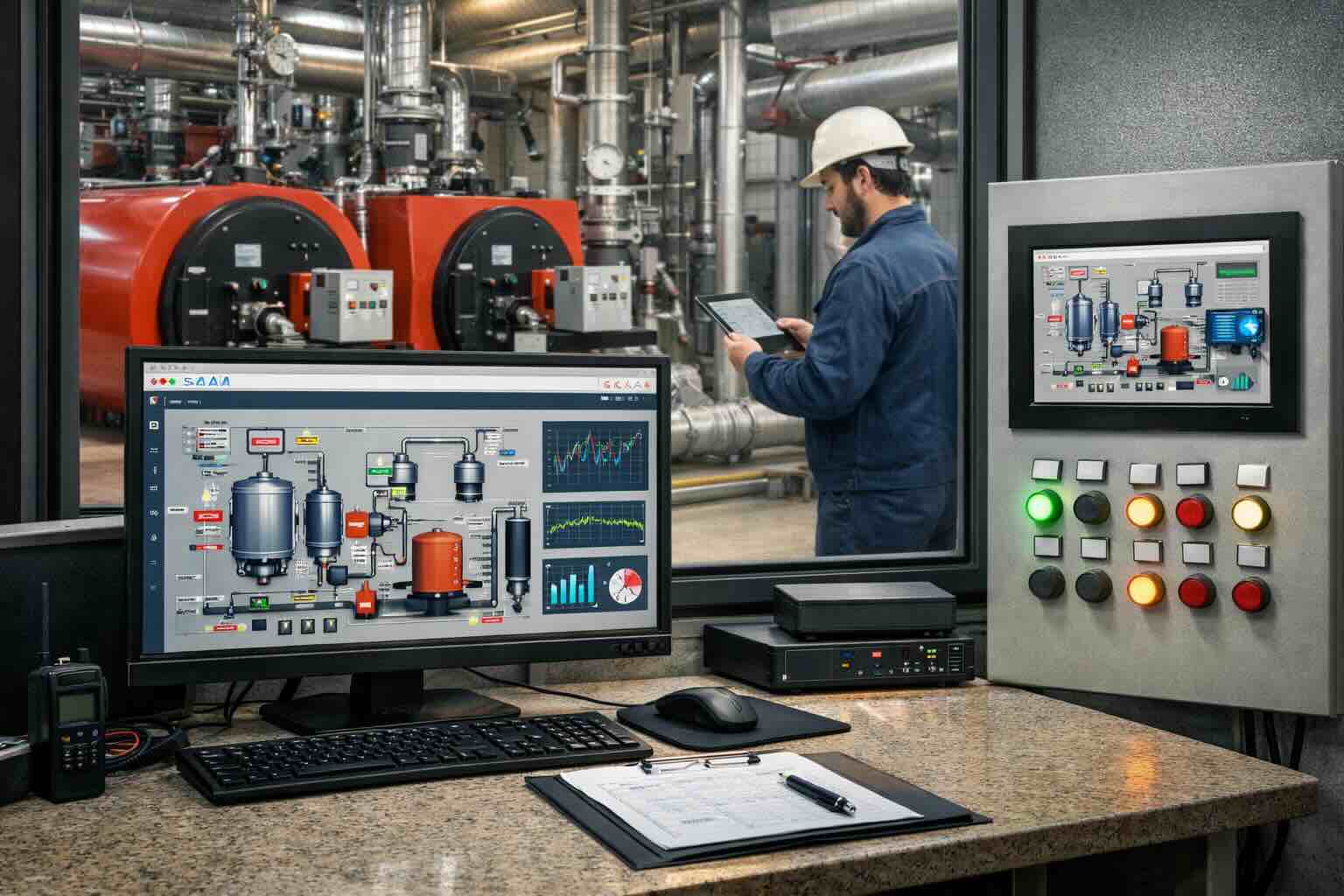
Grounding monitoring in industrial facilities is essential to ensure both operational safety and system reliability. These environments typically involve high-powered machinery, automated processes, and sensitive electronic systems that depend on stable electrical conditions. Any failure in the grounding system can lead to equipment malfunction, production interruptions, or even serious safety incidents. Continuous monitoring allows potential issues to be detected early, reducing the risk of unexpected failures and costly downtime.
Environmental factors such as moisture, temperature changes, and chemical exposure can gradually degrade grounding performance over time. Without regular monitoring, these changes may go unnoticed until they cause significant problems. By consistently tracking grounding values, facilities can take proactive measures, maintain compliance with safety standards, and ensure uninterrupted operations. This makes grounding monitoring a critical component of modern industrial maintenance strategies.
Impact on Electrical Panels, Cables, and Control Systems
The effectiveness of a grounding system has a direct impact on electrical panels, cables, and control systems within industrial facilities. Proper grounding ensures that fault currents are safely discharged, preventing damage to panel components and reducing the risk of electrical faults. Inadequate grounding can lead to voltage fluctuations, short circuits, and unexpected equipment failures, all of which can disrupt operations and compromise safety.
Cables and control systems are particularly sensitive to grounding quality. Poor grounding can introduce electrical noise and interference, affecting the performance of automation and monitoring systems. Over time, this can lead to signal errors, reduced efficiency, and even system breakdowns. Ensuring a well-maintained grounding system helps protect critical infrastructure, extends equipment lifespan, and supports stable and reliable operation.
Why Should It Be Monitored for Process Safety and Uninterrupted Operation?
Continuous grounding monitoring is essential to ensure process safety and uninterrupted operation in industrial environments. Electrical systems form the backbone of modern production processes, and even minor grounding issues can lead to significant disruptions. A failure in the grounding system can cause equipment malfunctions, data loss, or complete production stoppages. Therefore, maintaining optimal grounding performance through regular monitoring is critical for avoiding unexpected downtime and ensuring operational continuity.
In this context, systems such as temperature control panels are particularly sensitive to grounding quality. Poor grounding can result in inaccurate readings, unstable control behavior, and reduced efficiency. By continuously monitoring grounding conditions, facilities can quickly detect anomalies, take corrective action, and maintain both safety and productivity.
Author

IGNIS TRACE is the official partner in Turkey of SOLCO PYROELEC products, which are globally recognized in the field of industrial heat tracing. With its experienced engineering team, it delivers turnkey solutions across various industries including refinery, petrochemical, energy, and food. Through its innovative approach and solution-oriented service mindset, it aims to achieve high customer satisfaction.