
 Türkçe
A heating cable is an essential solution for preventing freezing, maintaining temperature, or ensuring safe and efficient thermal management in pipes, tanks, or gutters. Whether you're working on a residential plumbing system or an industrial pipeline, knowing how to connect a heating cable properly is crucial for both safety and performance. Improper installation can lead to system failure, energy waste, or even safety hazards. That’s why a structured and step-by-step approach is vital.
This guide provides comprehensive instructions on how to install a heating cable correctly — from the materials you need, to the connection diagrams, installation techniques, and final testing procedures. You’ll also learn the differences in connecting a self-regulating heater cable compared to traditional systems. By the end of this guide, you’ll have the practical knowledge required to complete a safe, durable, and energy-efficient installation. Whether you’re a professional installer or a DIY enthusiast, following these steps ensures a reliable outcome.
Materials Needed for Heating Cable Connection
Before beginning any installation, it's essential to gather all necessary tools and materials to ensure the process goes smoothly. For a standard heating cable setup, you will need a heating cable (self-regulating or constant wattage), a thermostat, power connection kit, termination kit, aluminum tape or UV-resistant cable ties, a pipe temperature sensor, and electrical tools such as a wire stripper, pliers, and a screwdriver. Depending on the application, additional items like junction boxes, waterproof connectors, or conduit may be required.
Having the right materials is one of the most important steps in learning how to connect a heating cable. Make sure to use only manufacturer-approved kits for terminations and power connections to ensure safe operation. If your installation is in an outdoor or wet environment, waterproof materials and proper sealing methods are critical. A reliable insulation resistance tester is also recommended to verify the system after connection. Using the correct materials reduces the risk of system failure and ensures long-term reliability.
Heating Cable Connection Diagram and How It Works
Understanding the basic structure of a heating cable system is key to successful installation. A typical connection diagram includes the power source, thermostat, heating cable, sensor, and termination points. The thermostat regulates the cable's operation based on the sensor's readings, activating the cable when the temperature drops below a certain threshold. In most setups, the sensor is mounted directly on the pipe, while the heating cable runs beneath it for efficient heat transfer. The system is powered through a dedicated circuit, and all components must be properly grounded to prevent electrical hazards.
In terms of functionality, heating cables generate heat when powered, and the thermostat ensures they are only active when needed. The how to connect a heating cable process revolves around accurately following the wiring layout and maintaining secure, insulated connections. Any deviation from the correct diagram can result in poor performance or safety risks. Self-regulating heating cables automatically adjust output based on surface temperature, providing additional energy efficiency. Always follow the manufacturer’s wiring diagrams for your specific cable model to avoid installation errors and ensure long-term system stability.
Step-by-Step Heater Cable Installation
Proper installation is the foundation of a safe and effective heating cable system. The first step is surface preparation—clean the pipe or area where the cable will be installed, ensuring it’s free from dirt, oil, or moisture. Next, plan your cable route. The cable should run in a straight or spiral pattern along the length of the pipe, avoiding sharp bends or overlaps. Secure the cable using aluminum tape or UV-resistant cable ties, making sure it is in full contact with the pipe surface for efficient heat transfer. The temperature sensor should be installed on the coldest section of the pipe and placed in direct contact with the surface.
Once the cable is positioned and secured, install the thermostat according to the manufacturer’s instructions. It should be placed near the sensor or in a location where it can accurately measure ambient conditions. Connect the heating cable to the power supply using the designated power connection kit. Terminate the opposite end with the proper end cap or termination kit to seal out moisture. Finally, check all physical connections and make sure the system is properly grounded. These procedures are essential for anyone learning how to connect a heating cable, ensuring both safety and long-term performance.
Preparing the Cable and Stripping the Ends
Before making any connections, the heating cable must be carefully prepared. Begin by measuring the appropriate length of cable needed, then gently strip back the outer insulation using a utility knife or wire stripper. Be cautious not to damage the internal bus wires or self-regulating core. Expose the conductors fully and cleanly to ensure a secure and safe electrical connection later on.
Applying the Termination Kit
After the cable ends are stripped, the termination kit is used to safely seal the exposed section. Slide the heat-shrink tubing or cold-applied components from the kit over the cable, covering all exposed wires and insulation. Use a heat gun if applicable, ensuring a tight and weatherproof seal. This step prevents moisture ingress and ensures the system operates safely and efficiently over time.
Connecting to the Power Source and Insulation
Once the cable and termination are in place, connect the prepared wire ends to the power source using the approved connection kit. Ensure that all wiring is secure, properly grounded, and tightened according to electrical standards. After the connection is made, insulate all joints with heat-shrink tubing or electrical tape to prevent moisture penetration and electrical shorts, ensuring safe long-term operation.
Key Points to Consider When Connecting a Heater Cable
Installing a heating cable might seem straightforward, but small oversights can lead to serious performance or safety issues. One of the most important aspects is ensuring the cable has full surface contact—any gaps between the cable and the pipe can reduce efficiency. Avoid bending or sharply twisting the cable, and never allow it to overlap itself, as this can cause overheating. The thermostat and sensor should be installed exactly where temperature monitoring is most needed—typically at the coldest point on the pipe.
Another key consideration is using only compatible components, such as certified connection kits and approved electrical fittings. All connections should be properly insulated and protected from moisture or physical damage. Always follow manufacturer guidelines for both installation and testing. Performing an insulation resistance test before energizing the system is highly recommended. Remember, learning how to connect a heating cable involves more than just wiring—it requires attention to detail, safety practices, and long-term reliability planning.
Differences in Self-Regulating Heater Cable Connections
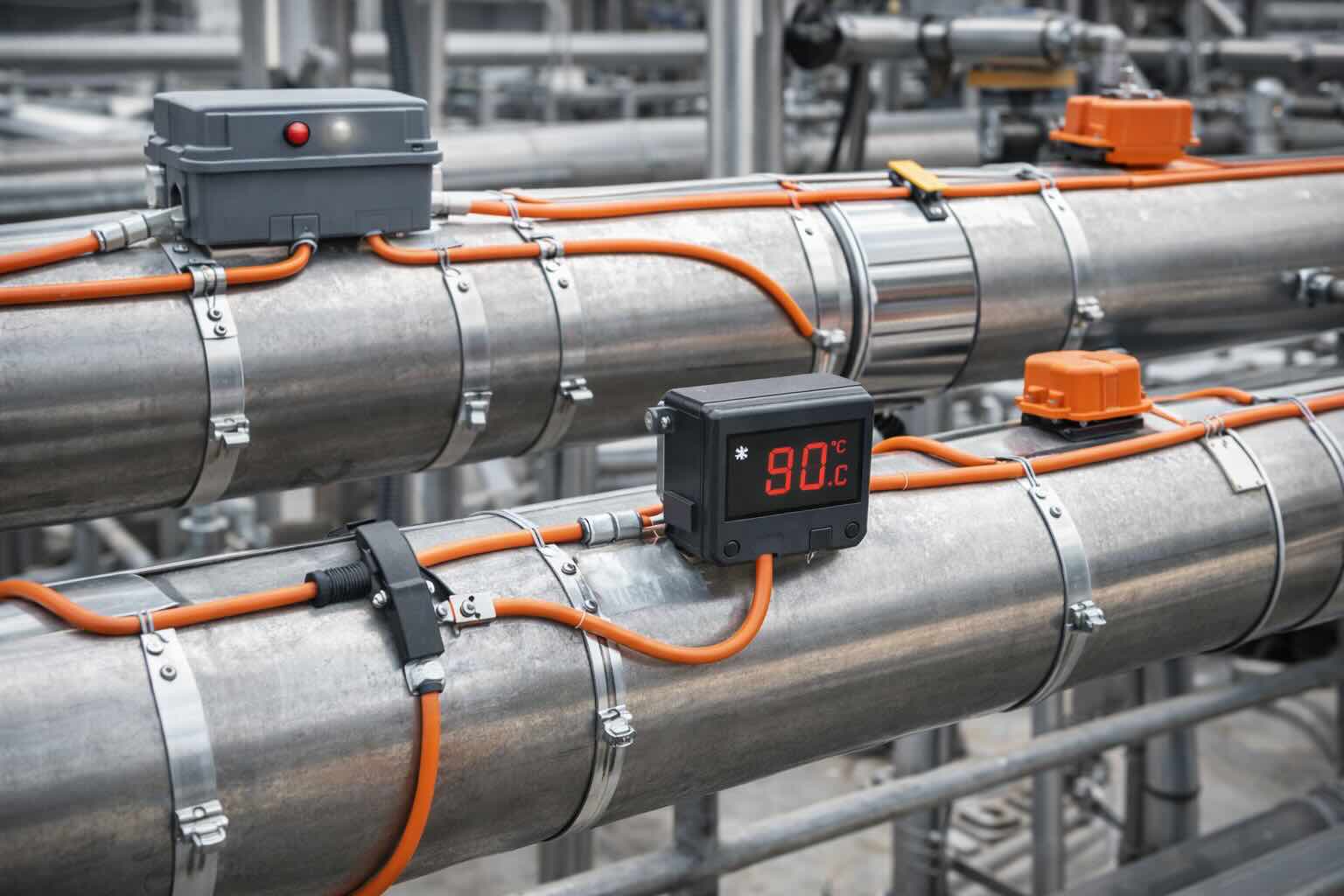 A self-regulating heater cable adjusts its heat output based on the surrounding temperature, making it more energy-efficient and safer than constant wattage cables. Because of its unique internal construction, extra care must be taken during installation—especially when stripping the cable ends. Damaging the semi-conductive polymer core can compromise performance. These cables are typically easier to install in parallel configurations and don’t require complex controllers in smaller applications.
When learning how to connect a heating cable of this type, it’s important to use termination and connection kits specifically designed for self-regulating models. Standard kits may not seal or fit properly. Additionally, while a thermostat may not be strictly necessary for function, it is strongly recommended for safety and control. Self-regulating systems offer greater adaptability but demand precise installation to ensure longevity and effectiveness.
Testing and Inspection Procedures After Heating Cable Connection
Once the installation is complete, testing is essential to verify that the heating cable system is functioning correctly and safely. The first step is to measure the insulation resistance using a megohmmeter. This test ensures there are no short circuits or insulation breakdowns in the cable. A reading above the manufacturer's minimum resistance value confirms that the cable is safe to energize. Next, power should be supplied to the system temporarily to confirm that the thermostat activates the cable and that it begins to warm appropriately along its length.
It's equally important to visually inspect all connections, sensors, and terminations. Check for exposed wires, loose fittings, or improperly sealed components. After completing these tests, record the results for future maintenance reference. Understanding how to connect a heating cable also involves knowing how to verify its reliability after installation. Regular inspection and documentation ensure long-term system performance and safety, especially in critical applications exposed to outdoor or industrial conditions.
Common Connection Errors and Safety Warnings
Even small mistakes during installation can lead to system failure, energy loss, or safety hazards. A common error is overlapping the cable on itself, which can cause dangerous overheating. Sharp bends, crushed cables, or improper securing methods can also damage the internal structure. Using the wrong type of termination or skipping insulation steps leaves the system vulnerable to moisture and electrical faults. Over-tightening cable ties or placing the sensor in the wrong location may cause inaccurate temperature control or inefficient operation.
Safety should always be the top priority when learning how to connect a heating cable. Power should be disconnected before any handling or adjustments are made. All connections must be moisture-resistant, and only manufacturer-approved kits should be used. Ground-fault protection devices (GFCI) are strongly recommended, especially in outdoor or wet environments. Following all local electrical codes and double-checking every connection ensures your system runs safely, efficiently, and lasts for years.
Author

IGNIS TRACE is the official partner in Turkey of SOLCO PYROELEC products, which are globally recognized in the field of industrial heat tracing. With its experienced engineering team, it delivers turnkey solutions across various industries including refinery, petrochemical, energy, and food. Through its innovative approach and solution-oriented service mindset, it aims to achieve high customer satisfaction.


