 Türkçe
A green building is a modern construction approach that focuses on reducing environmental impact while maximising energy and resource efficiency. When asking what is a green building, it is important to understand that these structures are designed to optimise energy use, minimise waste, and provide a healthier indoor environment for occupants. From the initial design phase to construction and operation, every step is carefully planned to ensure sustainability. Materials, energy systems, water usage, and indoor air quality are all considered as part of a holistic strategy.
Heating systems play a central role in achieving these goals, as they are among the largest contributors to a building’s total energy consumption. Efficient heating solutions not only reduce energy use but also significantly lower carbon emissions. In green buildings, heating systems are integrated with smart technologies to ensure precise control and optimal performance. This allows buildings to maintain comfortable indoor conditions while using minimal energy. As a result, heating systems are not just functional components but key drivers of sustainability and long-term efficiency.
What Is a Green Building?
A green building is a structure designed to minimise environmental impact while maximising efficiency in energy, water, and material use. When exploring what is a green building, it becomes clear that this concept goes beyond simple energy savings and focuses on the entire lifecycle of a building. From site selection and architectural design to construction methods and operational performance, every stage is aligned with sustainability principles. These buildings aim to reduce waste, lower emissions, and create healthier indoor environments for occupants.
In addition, green buildings incorporate advanced technologies and smart systems to enhance performance and efficiency. Heating, cooling, ventilation, and lighting systems are all optimised to work in harmony with the building’s design. This integrated approach ensures that energy consumption is kept to a minimum while maintaining high comfort levels. By combining innovative engineering with environmentally responsible practices, green buildings offer a forward-thinking solution to modern construction challenges and long-term resource management.
Why Are Heating Systems Important in Green Buildings?
Heating systems are one of the most critical components in green buildings because they directly influence overall energy consumption and environmental impact. In most buildings, a significant portion of total energy use is dedicated to heating, making system efficiency a key factor in sustainability. Traditional heating solutions often rely on high energy input and produce considerable carbon emissions. In contrast, green building approaches prioritise advanced heating systems that deliver the same or higher levels of comfort with significantly less energy consumption.
Moreover, well-designed heating systems contribute to maintaining consistent indoor temperatures and improving occupant comfort. In green buildings, these systems are often integrated with smart control technologies that adapt to real-time conditions, ensuring energy is only used when necessary. This reduces waste while enhancing performance. Efficient heating systems also support long-term cost savings by lowering operational expenses and reducing maintenance needs. As a result, they play a vital role in achieving both environmental and economic sustainability goals.
How Do They Affect Energy Consumption and Carbon Emissions?
Heating systems have a direct and measurable impact on both energy consumption and carbon emissions in buildings. Since heating typically accounts for a large share of total energy use, inefficient systems can significantly increase overall consumption. Conventional heating methods often rely on fossil fuels, which leads to higher greenhouse gas emissions and greater environmental harm. In green buildings, however, energy-efficient heating technologies are prioritised to reduce consumption while maintaining optimal indoor conditions.
Modern heating systems are designed to operate at lower energy levels while delivering consistent performance. When integrated with renewable energy sources, such as heat pumps or solar-assisted systems, they further reduce dependency on carbon-intensive fuels. This not only lowers emissions but also contributes to long-term sustainability goals. Additionally, precise system design and smart controls help prevent unnecessary energy use, ensuring that heating is only provided when and where it is needed. As a result, green buildings achieve a significantly smaller carbon footprint while maintaining high efficiency standards.
How Do They Strike a Balance Between Comfort and Efficiency?
In green buildings, achieving the right balance between comfort and efficiency is essential for both user satisfaction and sustainable performance. Heating systems are designed to provide consistent indoor temperatures without fluctuations that could affect comfort levels. Unlike traditional systems that may overheat or underperform, modern solutions distribute heat evenly throughout the space. This ensures that occupants experience a stable and comfortable environment while avoiding unnecessary energy use. The goal is to deliver optimal thermal comfort with the least possible energy input.
Advanced technologies such as smart thermostats and automation systems play a key role in maintaining this balance. These systems continuously monitor indoor conditions and adjust heating output accordingly, enabling effective energy saving without compromising comfort. By operating only when needed and at the right capacity, heating systems prevent waste and improve overall efficiency. This intelligent approach allows green buildings to meet high comfort standards while staying aligned with sustainability goals.
Which Heating Systems Are Preferred in Energy-Efficient Buildings?
Energy-efficient buildings rely on advanced heating systems that are specifically designed to minimise energy consumption while maximising performance. These systems are selected based on their ability to operate at low energy levels without compromising indoor comfort. Unlike conventional heating methods, modern solutions focus on optimising heat distribution, reducing losses, and integrating with renewable energy sources. This ensures that buildings can maintain consistent temperatures while significantly lowering overall energy demand.
In addition, preferred heating systems in green buildings are often supported by smart technologies that enhance control and efficiency. Automated controls, zoning capabilities, and real-time monitoring allow these systems to adapt to changing conditions and user needs. Solutions such as underfloor heating, electric heating systems, and low-temperature technologies are widely used due to their high efficiency and compatibility with sustainable design principles. When properly designed and implemented, these systems contribute to lower operational costs, reduced environmental impact, and improved long-term building performance.
Underfloor Heating, Electric Systems and Low-Temperature Solutions
Underfloor heating, electric heating systems, and low-temperature solutions are among the most preferred options in energy-efficient buildings due to their ability to deliver consistent performance with reduced energy consumption. Underfloor heating systems distribute heat evenly from the ground up, eliminating cold spots and creating a more stable indoor climate. Because they operate at lower temperatures compared to traditional radiators, they consume less energy while maintaining high comfort levels. This makes them particularly suitable for green buildings that prioritise efficiency and sustainability.
Electric heating systems, when properly designed, offer precise control and fast response times, allowing users to heat spaces only when needed. Low-temperature heating solutions, often integrated with renewable energy sources such as heat pumps, further enhance efficiency by reducing reliance on fossil fuels. These systems not only lower energy consumption but also extend system lifespan due to less operational strain. When combined with proper insulation and smart controls, they provide a highly effective heating strategy that aligns with the core principles of green building design.
How Do Heat Control and Regulation Technologies Contribute?
Heat control and regulation technologies play a crucial role in enhancing the efficiency and performance of heating systems in green buildings. These technologies ensure that heating is delivered precisely where and when it is needed, preventing unnecessary energy consumption. Traditional systems often operate at fixed levels, leading to inefficiencies and uneven temperature distribution. In contrast, modern solutions use advanced sensors and automation to continuously monitor indoor conditions and adjust heating output accordingly. This results in a more balanced indoor climate and significantly improved energy efficiency.
One of the key components of this approach is advanced temperature regulation systems, which allow different zones within a building to be controlled independently. This zoning capability ensures that energy is not wasted in unoccupied areas while maintaining comfort in actively used spaces. Additionally, these systems contribute to longer equipment lifespan by preventing overuse and reducing operational strain. When integrated into a well-designed building, heat control and regulation technologies become essential tools for achieving sustainability, cost efficiency, and optimal indoor comfort.
Why is the Compatibility of Insulation and Heating Systems Critical?
The compatibility between insulation and heating systems is a fundamental factor in determining the overall energy performance of a building. Even the most advanced heating system cannot deliver optimal efficiency if the building suffers from poor insulation. Heat loss through walls, roofs, windows, and floors forces heating systems to work harder, increasing energy consumption and operational costs. In green buildings, insulation and heating are designed together as a unified system to ensure that generated heat is retained effectively داخل the structure.
A well-insulated building reduces the demand placed on heating systems, allowing them to operate at lower capacities while still maintaining indoor comfort. This not only improves energy efficiency but also extends the lifespan of the heating equipment. Additionally, proper insulation helps eliminate thermal bridges and prevents uneven temperature distribution داخل the building. When both insulation and heating systems are aligned, the result is a highly efficient structure that minimises energy waste, reduces environmental impact, and provides a stable and comfortable indoor environment.
How Can Heat Losses Be Reduced?
Reducing heat losses is essential for improving energy efficiency in green buildings and ensuring that heating systems operate at optimal performance. The first and most effective step is enhancing the building envelope through high-quality insulation. Walls, roofs, floors, and windows must be properly insulated using advanced materials that minimise heat transfer. Double or triple-glazed windows, airtight construction techniques, and well-sealed joints help prevent unwanted air leakage. These measures ensure that the heat generated داخل the building is retained for longer periods, reducing the need for continuous heating.
In addition to insulation, efficient heating system management plays a key role in minimising heat loss. Smart thermostats and zoning systems allow precise control over temperature levels in different areas, preventing unnecessary heating in unused spaces. Eliminating thermal bridges through proper architectural design also contributes significantly to reducing energy loss. Furthermore, regular maintenance of heating systems ensures they operate efficiently without energy waste. When all these strategies are combined, buildings can significantly lower energy consumption while maintaining a comfortable and sustainable indoor environment.
How Does Proper System Design Affect Energy Performance?
Proper system design is one of the most critical factors influencing the energy performance of a building. A well-designed heating system ensures that energy is used efficiently, delivering the required level of comfort without unnecessary consumption. This process begins with detailed engineering analysis, where the building’s size, usage patterns, climate conditions, and insulation levels are carefully evaluated. One of the most essential steps in this phase is the heat loss calculation, which determines the exact heating demand of the building and prevents incorrect system sizing.
If a system is oversized, it will consume more energy than necessary and operate inefficiently. On the other hand, an undersized system may struggle to maintain adequate indoor temperatures, leading to discomfort and continuous operation. Proper design ensures that all system components work harmoniously, from heat generation to distribution and control. This not only improves efficiency but also reduces wear and tear on equipment, lowering maintenance costs over time. Ultimately, a correctly designed heating system supports sustainability goals by minimising energy waste while maximising performance.
What Is the Role of Smart Control and Monitoring Systems in Green Buildings?
Smart control and monitoring systems are essential components of green buildings, enabling efficient management of energy use and system performance. These systems continuously collect and analyse data from various building elements, including heating, ventilation, and occupancy patterns. By processing this data in real time, they ensure that heating systems operate only when necessary and at optimal levels. This prevents unnecessary energy consumption while maintaining consistent indoor comfort. As a result, buildings become more responsive, adaptive, and efficient in their overall operation.
In addition, smart monitoring systems provide detailed insights into energy usage, allowing building managers and users to make informed decisions. Performance reports, usage trends, and predictive maintenance alerts help identify inefficiencies and potential issues before they become major problems. This proactive approach not only reduces operational costs but also extends the lifespan of heating systems. By integrating intelligent control and monitoring technologies, green buildings achieve higher efficiency, improved sustainability, and better long-term performance.
How Do Automation and Sensor-Based Control Systems Improve Efficiency?
Automation and sensor-based control systems significantly enhance efficiency in green buildings by ensuring that heating systems operate based on real-time needs rather than fixed settings. These systems use sensors to monitor variables such as temperature, humidity, occupancy, and even external weather conditions. Based on this data, the heating system automatically adjusts its output to maintain optimal indoor conditions. This eliminates unnecessary energy use and ensures that no space is overheated or underheated. As a result, buildings achieve higher efficiency without compromising user comfort.
Furthermore, automation systems can learn user behaviour over time and adapt heating schedules accordingly. For example, areas that are not frequently used can be kept at lower temperatures, while occupied spaces are prioritised. This dynamic approach reduces overall energy consumption and supports sustainable building operation. Continuous monitoring also allows early detection of inefficiencies or system faults, enabling timely maintenance and preventing energy waste. By combining intelligent automation with precise sensor data, green buildings can maintain peak performance while minimising operational costs and environmental impact.
How Are Heat Control Panels and Monitoring Infrastructure Used?
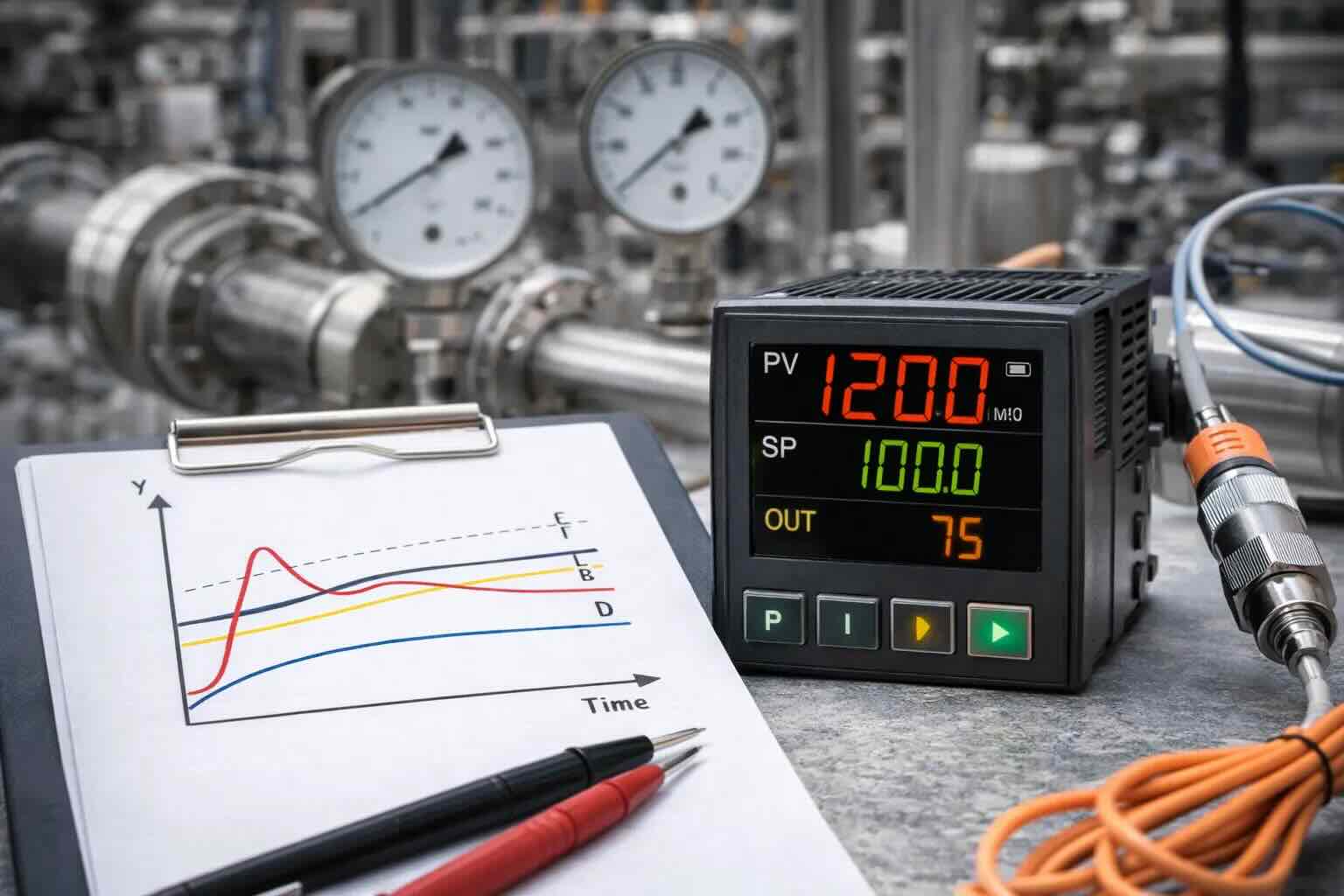
Heat control panels and monitoring infrastructure are essential for managing heating systems efficiently in green buildings. These systems provide a centralised platform where all heating operations can be observed and controlled in real time. By collecting data from various zones within a building, control panels allow operators to adjust temperature settings, detect inefficiencies, and ensure balanced heat distribution. This central management approach is especially valuable in large or complex buildings, where different areas may have varying heating requirements.
Advanced heat control panels work seamlessly with monitoring infrastructure to provide detailed insights into system performance. Users can track energy consumption, identify anomalies, and optimise system settings through intuitive interfaces. Additionally, remote access capabilities enable building managers to control and monitor heating systems from anywhere, increasing operational flexibility. This integration of control and monitoring not only improves efficiency but also supports predictive maintenance, reduces energy waste, and ensures long-term sustainability.
What Are the Long-Term Benefits of Heating Systems in a Green Building Approach?
Heating systems designed for green buildings provide substantial long-term benefits, both economically and environmentally. One of the most significant advantages is the reduction in energy costs over time. Because these systems are engineered for high efficiency, they consume less energy while delivering consistent performance. This leads to lower utility bills and protects building owners and users from fluctuations in energy prices. Additionally, energy-efficient systems often require less frequent maintenance, which further reduces operational expenses and ensures more predictable long-term budgeting.
Beyond cost savings, these systems also contribute to environmental sustainability by significantly lowering carbon emissions. Reduced energy consumption means fewer fossil fuels are used, helping to minimise the building’s overall carbon footprint. Furthermore, modern heating systems are typically more durable and designed to operate efficiently for extended periods, which reduces the need for frequent replacements and minimises material waste. When combined with smart technologies and proper system design, these heating solutions enhance building value, improve occupant comfort, and support a sustainable future.
Author

IGNIS TRACE is the official partner in Turkey of SOLCO PYROELEC products, which are globally recognized in the field of industrial heat tracing. With its experienced engineering team, it delivers turnkey solutions across various industries including refinery, petrochemical, energy, and food. Through its innovative approach and solution-oriented service mindset, it aims to achieve high customer satisfaction.