 Türkçe
In electrical systems, insulation resistance is one of the most important parameters for ensuring safety, reliability, and long-term performance. It refers to the ability of an insulating material to resist the flow of electrical current between conductive parts or between a conductor and ground. High insulation resistance prevents leakage currents, reduces the risk of electric shock, and protects equipment from premature failure. Over time, environmental conditions such as humidity, temperature fluctuations, dust, and chemical exposure can degrade insulation materials. When insulation weakens, leakage currents increase, creating potential safety hazards and operational disruptions. In industrial facilities, commercial buildings, and residential installations, maintaining proper insulation levels is essential for compliance with safety standards. Regular testing helps detect early signs of deterioration before major failures occur. Without adequate insulation resistance, electrical systems become vulnerable to short circuits, overheating, and fire hazards. Therefore, understanding and monitoring insulation resistance is fundamental to electrical safety management.
What is Insulation Resistance?
Insulation resistance is the measure of how effectively an insulating material prevents the flow of unwanted electrical current between conductive components. In any electrical installation, conductors are intentionally designed to carry current, while insulation materials are designed to block it. The resistance offered by these insulating materials is typically measured in megaohms (MΩ). A high insulation resistance value indicates strong isolation between conductors and ground, while a low value suggests potential leakage paths. Over time, insulation materials may deteriorate due to thermal stress, mechanical damage, or environmental exposure. This degradation reduces their resistance capability and increases the likelihood of leakage currents. In motors, transformers, cables, and switchgear systems, maintaining adequate insulation resistance is critical for safe and stable operation. Engineers rely on insulation resistance values to assess the health of electrical equipment. Consistent monitoring helps identify early-stage failures. Proper insulation ensures that electrical energy flows only through intended paths, preserving both system efficiency and safety.
Why Should Insulation Resistance Be Measured?
Measuring insulation resistance is essential to verify the safety and reliability of electrical systems. Over time, insulation materials naturally degrade due to environmental exposure, electrical stress, and mechanical vibration. Without periodic testing, this deterioration may go unnoticed until a serious fault occurs. Insulation resistance testing helps detect early signs of leakage currents before they lead to equipment damage or hazardous situations. In industrial facilities, unexpected failures can result in costly downtime and production losses. Regular measurement allows maintenance teams to plan preventive actions rather than reacting to emergencies. It also ensures compliance with electrical safety regulations and industry standards. Low insulation resistance values may indicate moisture intrusion, contamination, or internal insulation breakdown. By identifying these issues early, corrective maintenance can be performed efficiently. Ultimately, measuring insulation resistance protects personnel, extends equipment lifespan, and enhances operational continuity.
The Relationship Between Insulation Resistance and Electrical Safety
The strength of insulation resistance directly determines the safety level of an electrical installation. When insulation performs properly, electrical current flows only through designated conductors and does not escape to unintended paths. However, when insulation weakens, leakage currents may occur between conductors or toward grounded surfaces. These leakage paths increase the risk of electric shock, equipment malfunction, and fire hazards. Electrical safety standards require insulation resistance values to remain above defined minimum limits to ensure safe operation. In industrial environments where high voltages and heavy loads are common, maintaining strong insulation is especially critical. Poor insulation not only threatens human safety but also reduces system efficiency and reliability. Continuous monitoring allows engineers to detect abnormal trends before they escalate into serious incidents. By maintaining high insulation resistance, facilities can ensure stable performance, regulatory compliance, and a safer working environment for personnel.
Protection Against Electric Shocks
Low insulation resistance can allow current to reach exposed conductive parts. This creates a serious electric shock hazard for personnel. Proper insulation prevents unintended current flow to equipment enclosures. Regular testing identifies potential leakage risks early. Maintaining strong insulation significantly reduces workplace accidents. Electrical safety begins with effective isolation.
Prevention of Fire Risks
Leakage currents caused by deteriorated insulation can generate excessive heat. Over time, overheating may ignite surrounding materials. Many electrical fires originate from insulation failure. Adequate insulation resistance minimizes these risks. Early detection through testing prevents dangerous situations. Fire prevention strategies rely heavily on insulation integrity.
Extending Equipment Life
High insulation resistance ensures stable and efficient equipment operation. Reduced leakage currents lower thermal stress on components. This prevents premature aging of motors and transformers. Consistent monitoring allows timely maintenance. Well-maintained insulation contributes to longer service life. Reliable operation reduces unexpected downtime.
How Is Insulation Resistance Measured?
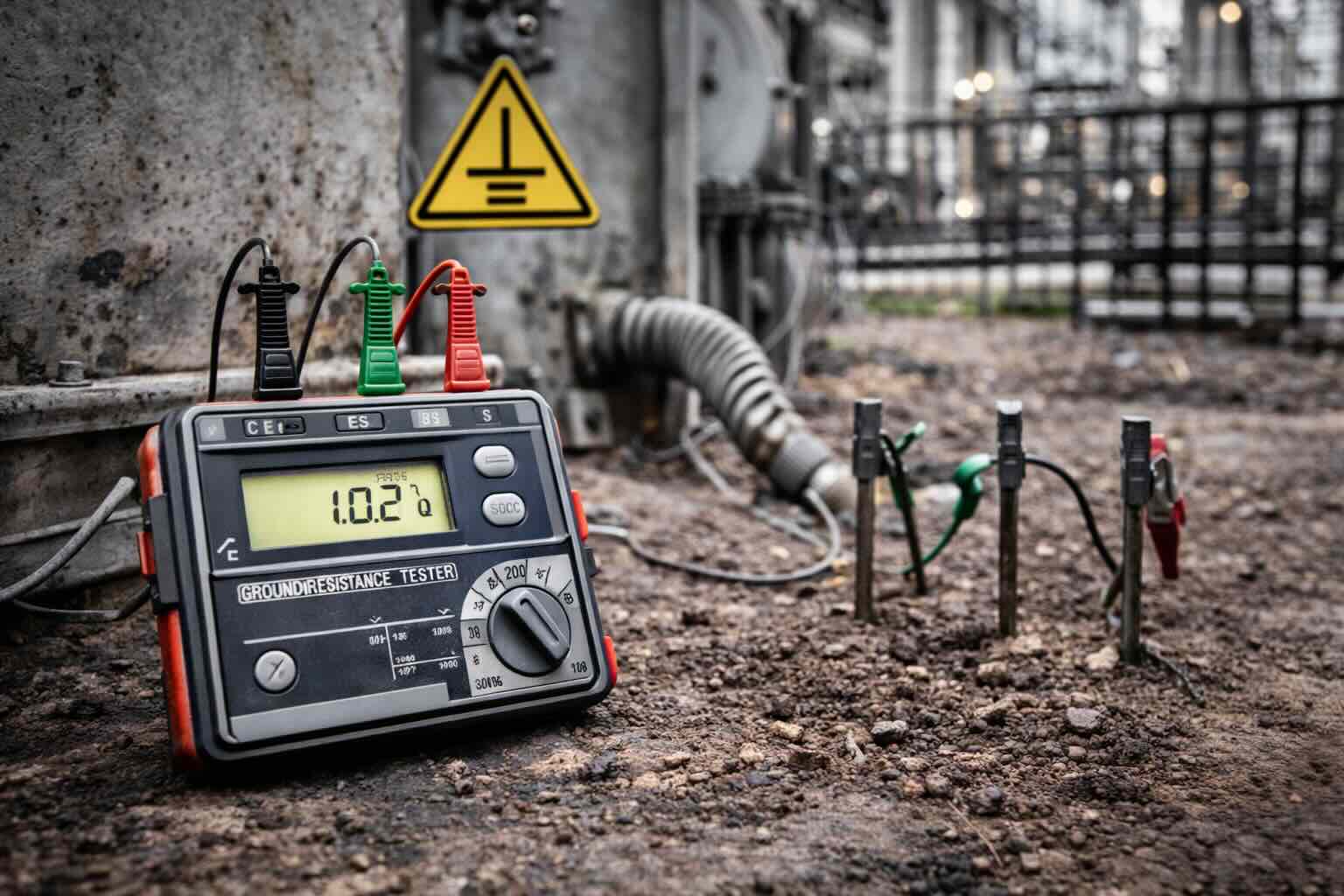
Measuring insulation resistance is a standardized process performed using specialized testing equipment designed to apply a controlled DC voltage to electrical components. Before testing begins, the equipment must be completely de-energized and isolated from the power supply. The tester applies a specified voltage between conductors or between a conductor and ground. The resulting leakage current is measured, and resistance is calculated in megaohms (MΩ). Higher resistance values indicate better insulation performance. Testing is commonly performed on cables, motors, transformers, switchgear, and control panels. The selected test voltage depends on the rated operating voltage of the equipment. Measurements are typically maintained for a defined period, such as one minute, to ensure stable readings. Test results are recorded and compared with previous values to identify trends. Consistent documentation allows maintenance teams to monitor insulation degradation over time. Proper testing procedures ensure accurate assessment of insulation condition.
Using a Megger (Insulation Test Device)
A Megger is a dedicated insulation testing device that generates a high DC test voltage. Its leads are connected between the conductor and ground or between conductors. The device measures leakage current and displays resistance in megaohms. Testing usually lasts about one minute for stable results. Professional handling ensures reliable readings. Proper usage is essential for accurate evaluation.
Safety Precautions to Take During Testing
Before performing the test, the circuit must be fully de-energized. Stored energy in capacitive components should be discharged. Appropriate personal protective equipment must be worn. Test leads must be securely connected. After testing, equipment should be safely discharged again. Following safety procedures prevents accidental injury.
Factors Affecting Insulation Resistance Values
The measured value of insulation resistance is influenced by several environmental and operational factors. Insulation materials do not maintain a constant resistance under all conditions. Temperature changes can significantly alter resistance readings, often lowering values as temperature increases. Humidity also plays a major role, as moisture can create conductive paths across insulation surfaces. Contamination such as dust, oil, or chemical residues may form a semi-conductive layer that increases leakage current. Mechanical stress, vibration, and physical damage can crack or weaken insulation layers over time. Aging is another critical factor, as insulation materials gradually lose dielectric strength during long-term operation. Electrical overstress and repeated voltage surges can further accelerate degradation. When evaluating test results, these influencing factors must be carefully considered. Comparing readings taken under similar environmental conditions ensures more accurate trend analysis. Understanding these variables allows maintenance teams to make informed decisions regarding equipment reliability.
Temperature and Humidity
Higher temperatures typically reduce insulation resistance values. Heat increases the mobility of charge carriers within insulating materials. Humidity introduces moisture that forms conductive paths. Outdoor installations are particularly vulnerable. Measurements should account for ambient conditions. Temperature correction factors are often applied.
Surface Contamination and Dusting
Dust, dirt, and oil residues accumulate on insulation surfaces over time. These contaminants can absorb moisture and become conductive. Surface leakage currents increase as contamination grows. Regular cleaning improves insulation performance. Maintenance schedules should include inspection. Clean surfaces support accurate measurements.
Mechanical Wear and Aging
Continuous vibration and mechanical stress weaken insulation structures. Cracks and micro-damages may develop internally. Aging reduces dielectric strength gradually. Older installations require closer monitoring. Regular testing detects early degradation signs. Preventive maintenance extends service life.
Acceptable Insulation Resistance Standards and Limit Values
Acceptable insulation resistance values are defined by national and international electrical standards to ensure system safety and reliability. Organizations such as IEC and IEEE provide guidelines regarding minimum resistance thresholds for different voltage levels and equipment types. In low-voltage installations, insulation resistance is typically expected to be in the megaohm range, while medium- and high-voltage systems require significantly higher values. The acceptable limit often depends on the rated operating voltage and the type of insulation material used. For new installations, baseline measurements are recorded as reference values. Future tests are then compared against these initial readings to detect deterioration trends. A significant drop in insulation resistance, even if still above the minimum limit, may indicate developing problems. Equipment that falls below recommended thresholds should not be placed into service without corrective action. Compliance with standards not only improves safety but also ensures regulatory adherence. Maintaining values within defined limits protects both personnel and assets.
Contribution of Periodic Insulation Tests to Operational Efficiency
Periodic testing of insulation resistance plays a vital role in maintaining operational efficiency and system reliability. Scheduled measurements allow maintenance teams to detect insulation degradation before it leads to unexpected equipment failure. In industrial facilities, unplanned downtime can result in significant financial losses and production delays. By identifying declining resistance values early, preventive maintenance can be planned during scheduled shutdowns. This proactive approach reduces emergency repairs and extends equipment lifespan.
Regular insulation testing also enhances workplace safety by minimizing the risk of electric shock and fire hazards. Historical test records provide valuable trend data, enabling engineers to predict potential failures and optimize maintenance strategies. In addition, maintaining high insulation resistance supports energy efficiency by reducing leakage currents and associated losses. Compliance with safety regulations and internal quality standards is easier when systematic testing procedures are in place. Ultimately, periodic insulation testing strengthens reliability, improves productivity, and ensures long-term operational sustainability.
Author
IGNIS TRACE is the official partner in Turkey of SOLCO PYROELEC products, which are globally recognized in the field of industrial heat tracing. With its experienced engineering team, it delivers turnkey solutions across various industries including refinery, petrochemical, energy, and food. Through its innovative approach and solution-oriented service mindset, it aims to achieve high customer satisfaction.