 Türkçe
In today’s complex and highly regulated business environment, ensuring safety and operational continuity is a top priority for organizations of all sizes. At the core of these efforts lies risk assessment, a structured approach used to identify potential hazards and evaluate their possible impact on business operations. This process enables companies to anticipate threats before they materialize and to implement proactive measures that minimize harm. Whether dealing with physical risks, technical failures, or environmental factors, businesses must adopt a systematic method to remain resilient. Risk assessment is not only about compliance with legal requirements but also about building a sustainable and secure operational framework. Organizations that effectively manage risks are better positioned to avoid financial losses, reputational damage, and operational disruptions. Moreover, it fosters a culture of safety among employees, encouraging awareness and responsibility at every level. As industries evolve with new technologies and processes, the importance of structured risk evaluation continues to grow. Companies that integrate risk assessment into their strategic planning gain a competitive advantage through improved decision-making. Ultimately, this process serves as a foundation for long-term business success and workplace safety.
What Is Risk Assessment?
Risk assessment is a systematic process used by organizations to identify, analyze, and control potential hazards that may negatively impact employees, assets, or operations. It involves recognizing possible sources of harm, evaluating the likelihood of their occurrence, and assessing the severity of their consequences. Through this structured approach, businesses can prioritize risks and implement appropriate control measures to reduce them to acceptable levels. Risk assessment is widely applied across industries, from manufacturing to healthcare, and serves as a foundation for effective safety management systems. By identifying risks early, organizations can prevent accidents, reduce downtime, and improve overall operational efficiency.
In addition to enhancing workplace safety, risk assessment plays a crucial role in ensuring compliance with legal and regulatory requirements. Many occupational health and safety laws mandate regular risk evaluations to protect employees and the environment. A well-executed risk assessment process also supports better decision-making by providing clear insights into potential threats and their impacts. With advancements in technology, digital tools and data-driven methods have made risk assessments more accurate and efficient. Ultimately, integrating risk assessment into daily operations helps businesses create a proactive safety culture and maintain long-term sustainability.
What Is the Primary Purpose of Risk Assessment?
The primary purpose of risk assessment is to identify potential hazards in the workplace and implement measures that minimize or eliminate their impact before they lead to harm. This proactive approach allows businesses to prevent accidents, injuries, and operational disruptions by addressing risks at an early stage. Rather than reacting to incidents after they occur, organizations can anticipate possible scenarios and prepare accordingly. This not only enhances workplace safety but also improves efficiency by reducing unexpected downtime. A well-defined risk assessment process helps allocate resources effectively, focusing attention on the most critical threats. It also supports informed decision-making by providing a clear understanding of potential consequences. In addition, risk assessment contributes to legal compliance, ensuring that organizations meet occupational health and safety requirements. Employees benefit from safer working conditions, which in turn boosts morale and productivity. By systematically analyzing risks, businesses can establish a strong safety culture across all levels. Ultimately, the goal is to create a controlled and secure environment where both people and operations are protected.
Which Hazards Are Included in the Scope of Assessment in Businesses?
In businesses, the scope of risk assessment includes a wide range of hazards that may arise from different sources within the working environment. These hazards are generally categorized as physical, chemical, biological, ergonomic, and psychosocial risks. Physical hazards include machinery, moving parts, noise, vibration, and inadequate lighting conditions that can directly affect employee safety. Chemical hazards involve exposure to toxic, flammable, or reactive substances that may cause serious health issues or trigger fires and explosions. Biological hazards are particularly relevant in sectors such as healthcare and food production, where exposure to microorganisms can pose significant risks. Ergonomic risks, such as improper workstation design or repetitive movements, can lead to long-term musculoskeletal disorders.
In addition to these, psychosocial hazards such as work-related stress, excessive workload, and shift patterns are increasingly recognized as critical factors affecting employee well-being and productivity. Electrical risks, fire hazards, and natural disasters are also essential components of a comprehensive assessment. Each business must evaluate its unique operational processes to identify industry-specific risks accurately. This ensures that all potential threats are considered and managed effectively. Regular updates to the assessment help capture new and evolving risks as business conditions change. By addressing all these
Why Is Risk Assessment Important for Businesses?
Risk assessment is essential for businesses because it provides a structured way to identify potential threats and minimize their impact before they escalate into serious problems. By systematically evaluating risks, organizations can prevent workplace accidents, reduce operational disruptions, and protect both employees and assets. This proactive approach helps businesses avoid costly incidents, legal penalties, and reputational damage. In highly competitive industries, maintaining a safe and reliable operation is a key factor for long-term success. Risk assessment also enables better resource allocation by highlighting the most critical areas that require immediate attention. As a result, companies can operate more efficiently and with greater confidence.
Beyond safety, risk assessment plays a significant role in ensuring compliance with legal and regulatory frameworks. Many industries are required to conduct regular assessments to meet occupational health and safety standards. A well-implemented process also strengthens corporate governance and demonstrates a company’s commitment to responsible operations. Employees working in a secure environment tend to be more productive and engaged, which positively impacts overall performance. Additionally, integrating risk assessment into business strategy supports continuous improvement and adaptability in changing conditions. This makes organizations more resilient against uncertainties and emerging risks.
Why Is It a Critical Process from an Occupational Health and Safety Perspective?
Risk assessment is a critical process from an occupational health and safety perspective because it directly contributes to the prevention of workplace accidents and occupational diseases. By systematically identifying hazards and evaluating associated risks, businesses can take proactive steps to protect their employees. Many workplace incidents occur due to unrecognized or underestimated dangers, making structured assessments essential for early detection. This process ensures that necessary preventive measures are implemented before incidents occur, reducing injury rates and improving overall workplace safety. It also helps create a safer working environment where employees feel protected and valued.
Furthermore, conducting regular risk assessments is a legal obligation in many countries, making it indispensable for regulatory compliance. Organizations that fail to implement proper safety measures may face severe penalties, legal consequences, and reputational damage. Beyond compliance, risk assessment strengthens a company’s safety culture by increasing awareness and accountability among employees. Training programs and continuous monitoring further enhance the effectiveness of this process. A safe workplace leads to higher employee morale, reduced absenteeism, and increased productivity. Ultimately, integrating occupational health and safety practices with risk assessment ensures long-term sustainability and operational excellence.
How Are Fire, Explosion, and Equipment Failure Risks Managed?
Fire, explosion, and equipment failure risks are among the most severe threats businesses can face, particularly in industrial environments where hazardous materials and complex machinery are involved. Managing these risks begins with identifying potential ignition sources, flammable substances, and critical equipment that could fail under certain conditions. Preventive maintenance plays a key role in reducing equipment-related risks, ensuring that machinery operates within safe parameters at all times. In addition, installing early detection systems such as smoke detectors, gas sensors, and automated shutdown mechanisms helps prevent incidents from escalating. At this stage, implementing industrial fire safety solutions provides a comprehensive approach to detecting, preventing, and responding to fire-related hazards effectively.
Beyond technical measures, organizational strategies are equally important in managing these risks. Employees must be trained to recognize warning signs and respond quickly in emergency situations. Clearly defined emergency response plans and regular drills ensure that everyone knows their responsibilities during a crisis. Risk management should also include continuous monitoring and periodic reassessment to adapt to changing operational conditions. Learning from past incidents and near-misses allows businesses to strengthen their preventive strategies. Combining advanced technologies with well-structured procedures creates a robust safety framework. This integrated approach significantly reduces the likelihood of catastrophic events and ensures business continuity.
How Is Risk Assessment Conducted?
Risk assessment is conducted through a structured and systematic process that ensures all potential hazards within a business are thoroughly identified and evaluated. The process typically begins with gathering information about workplace activities, equipment, and environmental conditions. This initial step helps create a comprehensive overview of where risks may arise. Once hazards are identified, each risk is analyzed based on its likelihood of occurrence and the severity of its potential consequences. This allows businesses to prioritize the most critical risks and allocate resources accordingly. A clear methodology ensures consistency and accuracy throughout the assessment process.
Following the analysis phase, appropriate control measures are developed and implemented to eliminate or reduce risks to acceptable levels. These measures may include engineering controls, administrative procedures, or the use of personal protective equipment. Risk assessment is not a one-time activity; it must be continuously reviewed and updated as workplace conditions change. Documentation and reporting are also essential components, ensuring transparency and compliance with legal requirements. With the support of digital tools and data-driven approaches, businesses can conduct more efficient and accurate assessments. This structured approach enables organizations to maintain a safe, compliant, and resilient operational environment.
Hazard Identification, Probability, and Severity Analysis
Hazard identification, probability, and severity analysis form the core of any effective risk assessment process. This stage involves systematically examining all workplace activities, equipment, and environmental conditions to identify potential sources of harm. Each identified hazard is then evaluated based on how likely it is to occur and the extent of damage it could cause if it does occur. This dual-criteria approach allows businesses to prioritize risks more effectively and focus on the most critical issues first. Data from past incidents, near-miss reports, and on-site observations play a crucial role in ensuring accurate analysis. Employee input is also valuable, as workers often have direct insight into daily operational risks.
By combining probability and severity, organizations can assign risk levels and determine which hazards require immediate attention. This structured evaluation helps prevent overlooked dangers and ensures a comprehensive understanding of workplace risks. The more detailed and accurate this analysis is, the more effective the subsequent control measures will be. It also supports better decision-making by providing a clear risk hierarchy. Regular updates to this analysis are essential to reflect changes in operations or environment. Ultimately, this step lays the foundation for a proactive and reliable risk management system.
How Are Control Measures and Action Plans Developed?
After identifying and analyzing risks, the next critical step in the risk assessment process is developing effective control measures and structured action plans. The primary goal at this stage is to eliminate risks entirely whenever possible. If elimination is not feasible, businesses must focus on reducing risks to acceptable levels through a hierarchy of controls. This includes engineering controls such as system redesigns, administrative controls like updated procedures, and the use of personal protective equipment. Each control measure should be carefully evaluated for its effectiveness, feasibility, and sustainability within the operational environment. Clearly defining responsibilities is also essential to ensure that all measures are properly implemented.
Action plans provide a roadmap for executing these control measures in a timely and organized manner. They should include specific tasks, responsible personnel, deadlines, and performance indicators to track progress. Regular monitoring ensures that implemented controls are functioning as intended and allows for adjustments when necessary. Employee involvement is crucial during this phase, as it improves compliance and practical application in daily operations. Training and communication further support the successful implementation of control strategies. Additionally, all actions must be documented to ensure traceability and regulatory compliance. A well-structured action plan transforms risk assessment from a theoretical process into a practical and effective safety management system.
In Which Industries Does Risk Assessment Become More Critical?
Risk assessment becomes significantly more critical in industries where operations involve high levels of hazard, complex processes, or potentially dangerous materials. Sectors such as manufacturing, chemical production, energy, and heavy industry inherently carry greater risks due to the nature of their activities. In these environments, even a minor failure can lead to serious consequences, including injuries, environmental damage, or major financial losses. Therefore, risk assessment in such industries must be more detailed, frequent, and supported by advanced analysis methods. Identifying and managing risks proactively is essential to maintaining both safety and operational continuity.
Additionally, industries that operate under strict regulatory frameworks require comprehensive and well-documented risk assessments to ensure compliance. These sectors often involve the use of high-pressure systems, hazardous chemicals, or critical infrastructure, making safety a top priority. Regular monitoring, audits, and updates to risk assessments are necessary to adapt to evolving operational conditions. Businesses in these fields must also invest in training and technology to enhance their risk management capabilities. By doing so, they can reduce uncertainties, improve resilience, and maintain a safe working environment while ensuring uninterrupted operations.
Manufacturing, Chemical, Energy, and Process Facilities
Manufacturing, chemical, energy, and process facilities are among the sectors where risk assessment plays a vital role due to the inherently hazardous nature of their operations. These industries often involve high temperatures, pressure systems, flammable substances, and complex production processes that significantly increase the likelihood of accidents. In manufacturing environments, machinery-related risks and human interaction with equipment can lead to serious injuries if not properly managed. Similarly, chemical facilities must handle toxic and reactive substances that pose risks such as leaks, explosions, and environmental contamination. Energy sector operations, especially those involving electricity and power generation, introduce additional dangers like high-voltage exposure and system failures.
In such high-risk environments, risk assessment must be continuous, detailed, and supported by advanced safety systems. Even minor oversights can result in large-scale incidents affecting both human life and infrastructure. Therefore, businesses in these sectors rely on strict safety protocols, regular inspections, and real-time monitoring systems. Multidisciplinary approaches involving engineering, safety management, and operational expertise are essential for accurate risk evaluation. Additionally, employee training and adherence to procedures play a critical role in minimizing human error. By implementing robust risk assessment practices, these industries can ensure safer operations, regulatory compliance, and long-term sustainability.
How Is Risk Assessment Conducted in Facilities with Hazardous Areas?
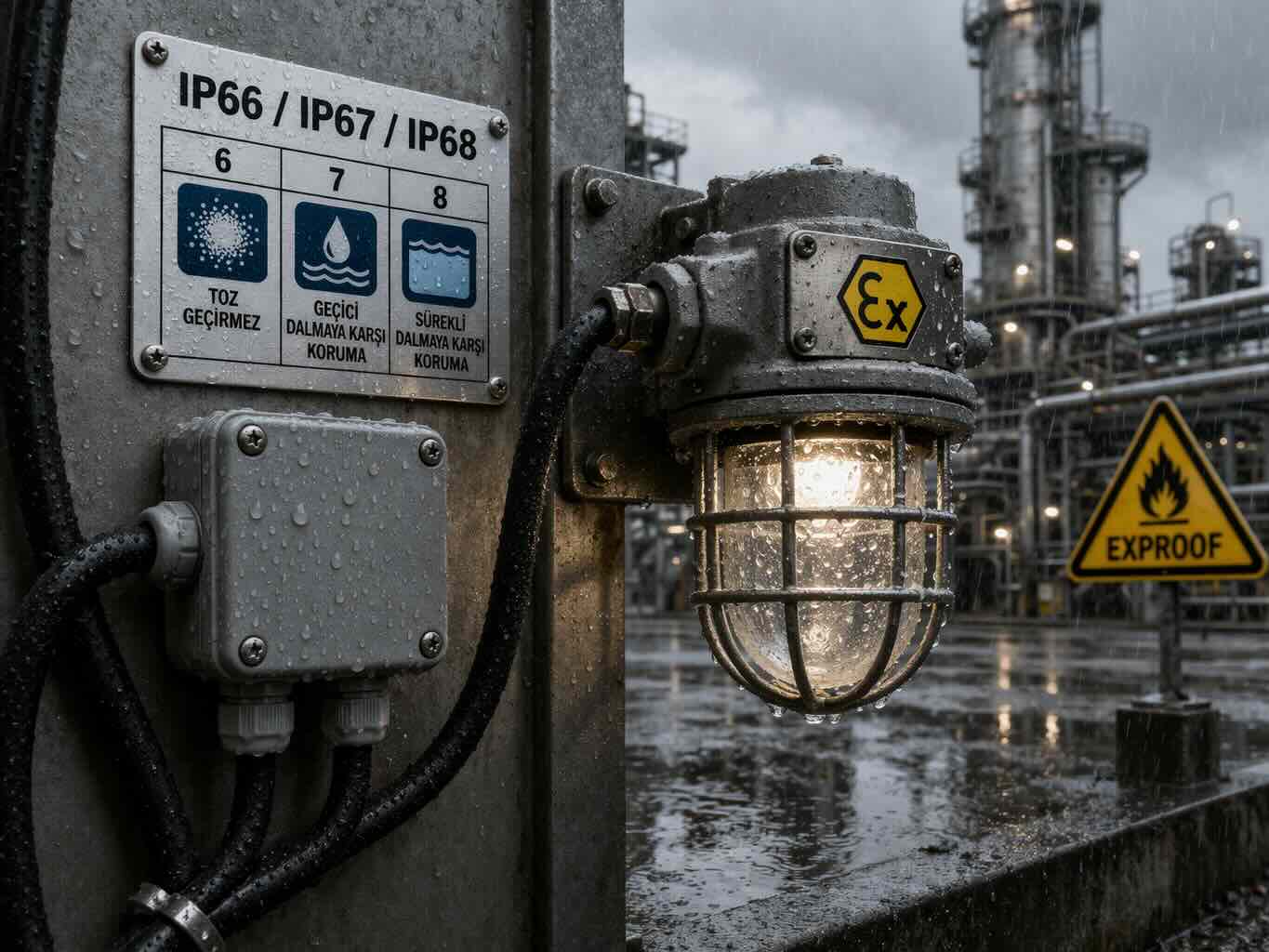
Risk assessment in facilities with hazardous areas requires a highly specialized and structured approach due to the presence of flammable gases, vapors, dust, or other explosive atmospheres. The process begins with identifying all potential sources of danger within the environment, including ignition sources, chemical reactions, and operational failures. A key component in this stage is the use of hazardous area classifications, which help define zones based on the likelihood and duration of explosive atmospheres. These classifications guide the selection of appropriate equipment and safety measures, ensuring compliance with international standards. Electrical systems, machinery, and protective equipment must all be suitable for the designated hazard zones to minimize risk.
In addition to technical controls, organizational measures play a crucial role in managing risks in hazardous areas. Employees must receive specialized training to understand the unique dangers of these environments and to follow strict safety procedures. Regular inspections and audits are necessary to verify that all systems function correctly and that safety protocols are maintained. Any changes in processes, materials, or equipment should trigger a reassessment of risks to ensure continued safety. Documentation and monitoring systems further support transparency and compliance. By combining technical expertise with disciplined operational practices, businesses can effectively control risks in hazardous environments and maintain a high level of safety.
What Is the Role of Technical Standards in Risk Assessment?
Technical standards play a crucial role in ensuring that risk assessment processes are structured, consistent, and aligned with internationally accepted safety practices. These standards provide clear guidelines on how risks should be identified, analyzed, and controlled across different industries. By following established frameworks, businesses can ensure that their safety measures are not only effective but also compliant with legal and regulatory requirements. Standards help create a common language among engineers, safety professionals, and regulatory bodies, reducing ambiguity and improving coordination. They also support the implementation of best practices, making risk assessments more reliable and repeatable.
In addition, technical standards evolve alongside technological advancements, allowing businesses to stay up to date with modern safety requirements. They enhance the credibility of an organization by demonstrating a commitment to high safety and quality benchmarks. Applying these standards reduces the likelihood of human error and ensures that safety systems function as intended. Regular audits and certifications based on these standards further strengthen operational integrity. Ultimately, integrating technical standards into risk assessment processes leads to safer work environments, improved efficiency, and long-term sustainability.
Author
IGNIS TRACE is the official partner in Turkey of SOLCO PYROELEC products, which are globally recognized in the field of industrial heat tracing. With its experienced engineering team, it delivers turnkey solutions across various industries including refinery, petrochemical, energy, and food. Through its innovative approach and solution-oriented service mindset, it aims to achieve high customer satisfaction.